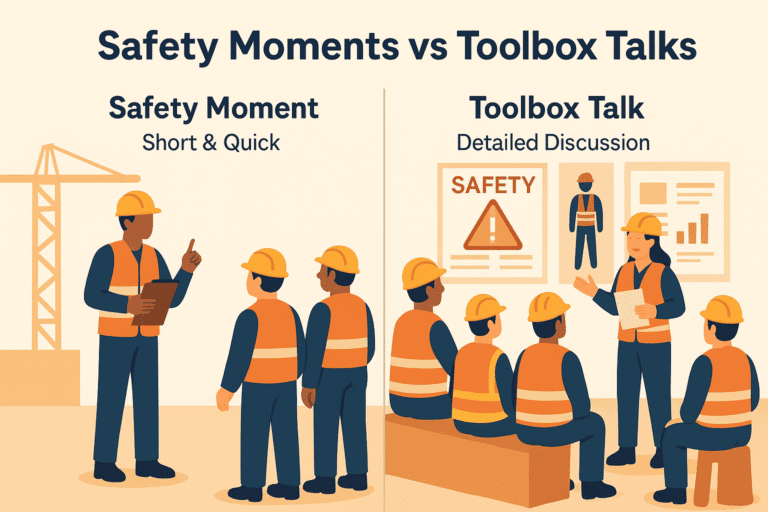
Workers skip safety meetings because they’re predictable, rushed, or feel like check-the-box exercises. But when a near-miss happens—a falling tool, a frayed extension cord, a mislabeled valve—everyone remembers the one talk that almost covered it. The difference between a forgettable chat and a life-saving moment? Relevance, timing, and delivery.
Toolbox safety talks aren’t just regulatory requirements—they’re frontline defenses. Done right, they prevent incidents. Done poorly, they breed complacency. This guide cuts through the noise with practical strategies, real-world examples, and structure that keeps crews engaged and informed.
Why Most Toolbox Safety Talks Fail
Many teams treat safety talks as routine admin tasks: read a script, sign a form, move on. The result? Low retention, zero behavior change, and recurring hazards.
Common flaws include:
- Generic topics – “Slips, trips, and falls” every month with no site-specific context.
- Top-down delivery – Supervisor lectures; workers zone out.
- No follow-up – Nothing changes after the meeting.
- Poor timing – Held when crews are rushing to start or already fatigued.
A roofing crew in Colorado kept having electrical close calls near overhead lines. Their safety talks mentioned “electrical hazards” in broad terms, but never mapped actual power line routes on site. When a worker almost touched a line during a lift, the crew realized their talks weren’t specific enough to prevent harm.
The fix? Shift from compliance theater to targeted risk communication. Focus on what’s imminent, not just what’s required.
The 5-Minute Framework That Drives Engagement
You don’t need 30 minutes. Effective talks last 5–10 minutes and follow a simple, repeatable flow:
- Hook with a real incident (1 min)
- Start with a recent near-miss, photo, or short story. “Last week, a ladder slipped on wet concrete—why?”
- Define the hazard (1 min)
- Name the risk clearly. Not “falls,” but “unsecured ladders on slippery surfaces during early shifts.”
- Ask for input (2 min)
- “Who’s seen this before? What would you do differently?” Workers spot risks supervisors miss.
- Review controls (1 min)
- Reiterate PPE, procedures, or mitigation steps. “Always inspect ladder feet, use a spotter, and check surface conditions.”
- Confirm action (1 min)
- “Who’s checking ladders today? Where will we stage anti-slip mats?” Assign accountability.
This model transforms passive listeners into active participants. A pipeline crew in Texas reduced hand injuries by 40% in six weeks after switching to this format—simply by asking workers to share their own glove-wearing triggers.
High-Impact Topics That Prevent Real Injuries
Not all safety topics are equal. Prioritize based on current risks, seasonality, and crew feedback.
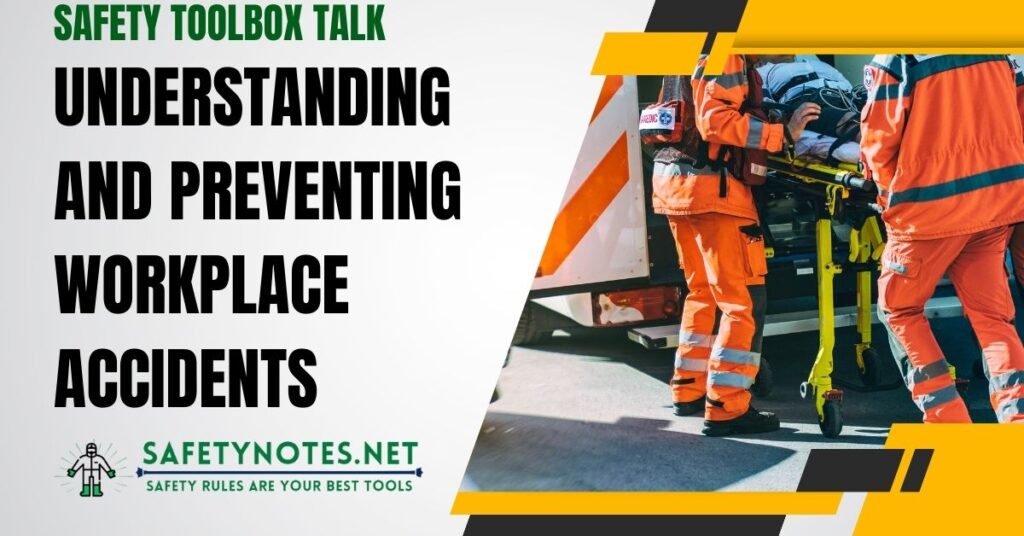
Top 7 High-Value Toolbox Talk Themes:
| Topic | When to Use | Real-World Trigger |
|---|---|---|
| Ladder Safety | Year-round, especially in maintenance | Fall during HVAC repair on unstable ladder |
| Overhead Hazards | During lifting or crane ops | Near-miss with crane load swinging near scaffold |
| Electrical Awareness | When working near panels or outdoor outlets | Worker shocks hand touching faulty junction box |
| Hand Tool Inspection | Before tool-intensive tasks | Wrench jaw cracks during bolt tightening |
| PPE Compliance | After audit findings or injuries | No safety glasses worn during grinding |
| Weather Adjustments | Before extreme heat, rain, or cold | Heat exhaustion during midday pour |
| Hot Work Permits | Before welding or cutting | Sparks ignite debris near wall opening |
Rotate topics monthly, but be ready to pivot. If a delivery truck nearly hits a worker on foot, drop the planned talk and discuss site vehicle traffic rules that day.
How to Get Workers to Actually Listen
Even the best content fails without engagement. Use these techniques to shift mindsets:
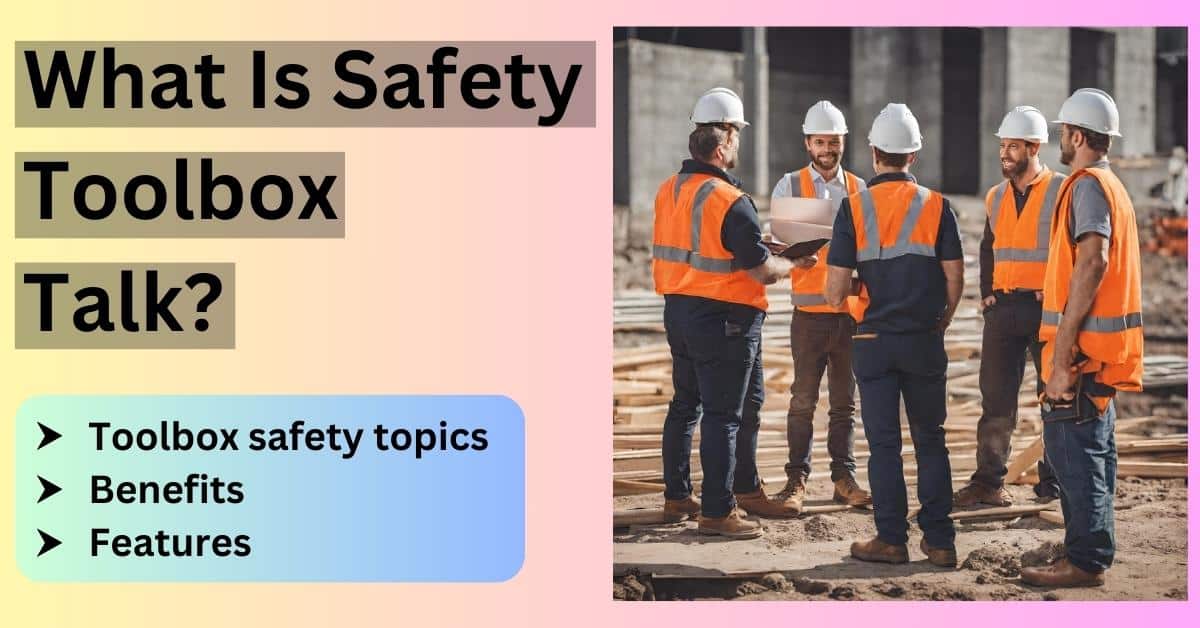
Rotate facilitators. Let experienced workers lead a talk. They bring credibility and relatable examples. A veteran electrician explaining arc flash risks will land harder than a safety manual read aloud.
Use visuals. Show a photo of damaged PPE, a video clip, or a marked-up site map. Visuals improve retention by up to 70% (source: Neuro-Visual Communication Institute).
Incorporate quick demos. Have someone demonstrate proper respirator seal checks or show how to test a GFCI outlet. Kinesthetic learning sticks.
Link to incentives. Not monetary—behavioral. Example: “If we hit zero recordables this quarter, Friday’s talk ends 10 minutes early for coffee.” Small rewards reinforce participation.
Avoid punishment-driven messaging. Saying “You have to wear gloves” breeds resistance. Try, “Gloves saved my hand last month when debris flew—here’s how.”
Common Mistakes (And How to Fix Them)
Even experienced safety leads slip into bad habits. Watch for these patterns:
Mistake: Talking at the crew, not with them. Fix: Ask open-ended questions. “What’s one hazard you’ve noticed this week?” or “Has anyone had a close call with moving equipment?”
Mistake: Ignoring non-verbal cues. If workers are checking phones or looking away, shorten the talk or change format. Try a “stand-up share”—one sentence per person on what they’re watching for today.
Mistake: Skipping documentation. Use a simple sign-in sheet or digital tool, but keep it fast. Record: topic, date, facilitator, attendees, key takeaways. Not for audits—so you can track which topics reduce incidents.
Mistake: Not following up. Walk the site after the talk. If the topic was ladder safety, spot-check three setups. Give quick praise: “Good job chocking that base—exactly what we talked about.”
Digital Tools to Streamline Safety Talks
Paper logs get lost. Emails go unread. Digital tools improve consistency and accountability.
Top 5 Toolbox Talk Platforms:
- SiteSafe
- Cloud-based checklists, photo uploads, and real-time reporting. Ideal for multi-site teams. Best for: Large contractors with distributed crews.
- SafetyCulture (iAuditor)
- Customizable templates, offline access, analytics. Workers can flag issues during talks. Best for: Teams wanting data-driven insights.
- Procore Safety
- Integrates with project management tools. Schedule talks alongside daily logs. Best for: General contractors using Procore.
- Kizeo Forms
- Mobile-friendly, drag-and-drop builder. No training needed. Best for: Small crews needing simple digital forms.
- eCompliance
- Advanced reporting, audit trails, and integration with HR systems. Best for: Compliance-heavy industries like oil and gas.
Choose based on your team’s tech comfort and scale. Even a shared Google Form beats a crumpled paper log.
Making Safety Talks Part of the Workflow
The goal isn’t to “do” safety talks—it’s to make safety automatic.
Integrate them into existing rhythms:
- Pre-shift huddles – Combine with crew assignments.
- Post-incident reviews – Turn near-misses into immediate teachable moments.
- Tool check-ins – Review equipment safety when issuing gear.
- New task kickoff – Before starting a new phase (e.g., excavation, roofing), run a targeted talk.
A road construction crew in Oregon ties talks to shift changes. The outgoing foreman briefs the incoming crew on what hazards emerged during their shift. It’s not a formal meeting—just a 3-minute handoff. Incident rates dropped 35% in one season.
Closing: Make Every Talk Count
Toolbox safety talks should never be routine. They’re your best chance to interrupt complacency before an accident happens.
Focus on relevance. Involve your crew. Keep it short, sharp, and actionable. Use what’s already happening—a damaged tool, a weather shift, a new subcontractor—as your prompt.
The best safety cultures don’t schedule talks because they have to. They do it because someone saw a risk and spoke up. Your job is to build the habit, the trust, and the structure that makes that possible.
Start tomorrow: pick one high-risk activity, ask the crew for their top concern, and build the talk around that. No slides. No jargon. Just real talk about real risk.
Frequently Asked Questions
What is the ideal length for a toolbox safety talk? Aim for 5–10 minutes. Focus on one specific hazard and keep it interactive.
How often should toolbox talks be held? At minimum, weekly. Daily is better for high-risk or rotating crews.
Who should lead the safety talk? Supervisors can lead, but rotating experienced workers increases engagement and insight.
Do toolbox talks need to be documented? Yes. Record attendees, topic, date, and key points for accountability and tracking.
Can toolbox talks reduce workplace injuries? Yes—when they’re relevant and action-oriented. Sites using targeted talks see up to 50% fewer incidents.
Should PPE be a recurring topic? Only when non-compliance is observed or new PPE is introduced. Avoid over-rotation on basics without context.
How do you handle crew resistance to safety talks? Involve workers in topic selection, keep it concise, and link to real incidents they care about.
FAQ
What should you look for in Toolbox Safety Talks That Actually Work on the Job Site? Focus on relevance, practical value, and how well the solution matches real user intent.
Is Toolbox Safety Talks That Actually Work on the Job Site suitable for beginners? That depends on the workflow, but a clear step-by-step approach usually makes it easier to start.
How do you compare options around Toolbox Safety Talks That Actually Work on the Job Site? Compare features, trust signals, limitations, pricing, and ease of implementation.
What mistakes should you avoid? Avoid generic choices, weak validation, and decisions based only on marketing claims.
What is the next best step? Shortlist the most relevant options, validate them quickly, and refine from real-world results.