In the aftermath of the Washington Hilton shooting during the White House Correspondents’ Dinner (WHCD), actress Mia Farrow ignited a firestorm with a single social media post. She suggested the attack may have been staged by Donald Trump to manipulate public sentiment and inflate his approval ratings. The claim, though swiftly condemned by fact-checkers and media outlets, gained traction in fringe circles and raised urgent questions about celebrity influence, political polarization, and the erosion of trust in public narratives.
Farrow’s comments did not emerge in isolation. They reflect a broader cultural climate where conspiracy theories gain momentum faster than official statements. Her suggestion tapped into preexisting skepticism surrounding political theatrics—especially those involving Trump, a figure long accused of blurring reality and performance.
This article dissects Farrow’s claim, analyzes the mechanisms that allowed it to spread, and explores the implications for public discourse when high-profile figures endorse unverified narratives.
Mia Farrow’s Statement and Immediate Fallout
On the evening of the WHCD incident, Mia Farrow posted a thread across multiple platforms insinuating that the shooting lacked credibility. She questioned the timing—just days before key polling data releases—and noted the rapid emergence of polished media coverage. One post read: “Convenient crisis? Trump’s ratings spike after every ‘attack.’ How many coincidences before we ask real questions?”
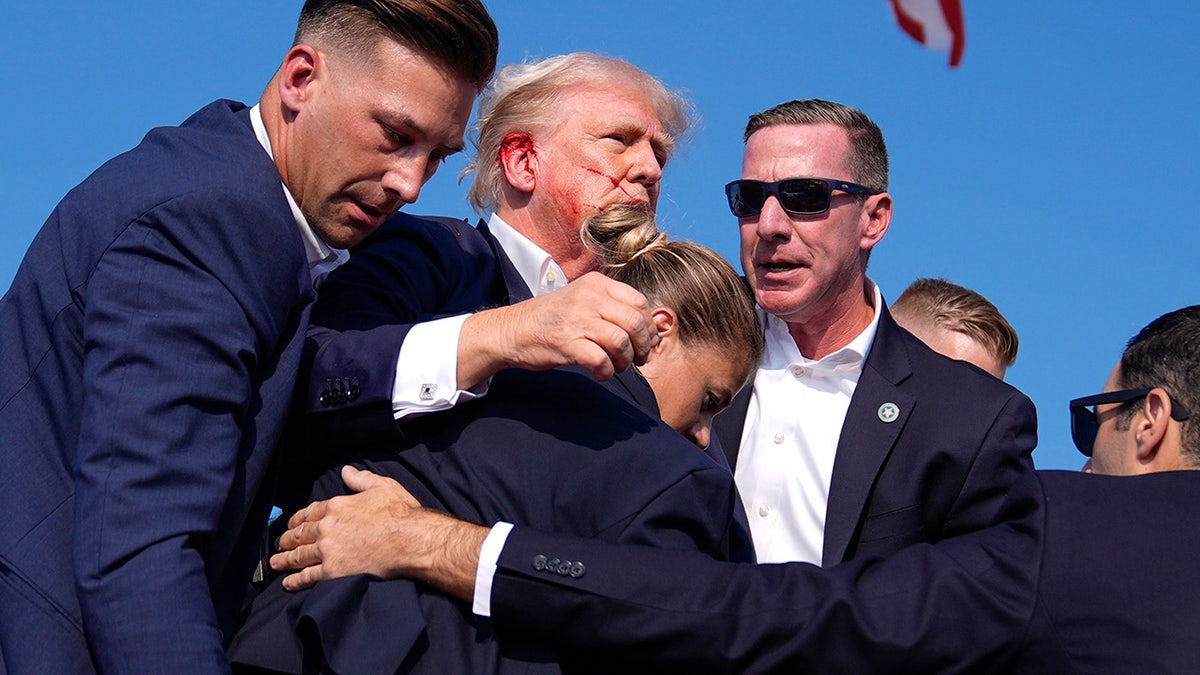
The backlash was immediate. Journalists, security experts, and political commentators from across the spectrum denounced her remarks as reckless and dangerous. The White House issued a formal statement calling the allegations “baseless and offensive to victims and first responders.” The Secret Service confirmed injuries, weapon recovery, and an ongoing investigation into the shooter’s motives.
Yet, despite the rebuttals, Farrow’s claim was amplified by alternative media outlets and far-left influencers who framed it as “asking questions the mainstream won’t.” Within 48 hours, the hashtag #FakeAttack trended in progressive online communities, illustrating how celebrity skepticism can reframe real-world events.
Why the Staged Attack Theory Gains Traction
There is no evidence supporting the idea that the WHCD shooting was staged. But understanding why such theories resonate requires unpacking deeper societal currents.
1. Historical Precedent of Political Theater Trump’s political brand has long leaned into spectacle. From staged escalator entrances to carefully curated press conferences, his campaigns have operated with the precision of reality television. This background makes claims of manipulation more plausible to some audiences.
2. Distrust in Institutions Pew Research data shows that only 20% of Americans trust the federal government “most of the time.” When trust erodes, people default to alternative explanations—even improbable ones. Farrow’s audience, largely progressive and media-savvy, already doubts official narratives on issues like surveillance and election integrity.
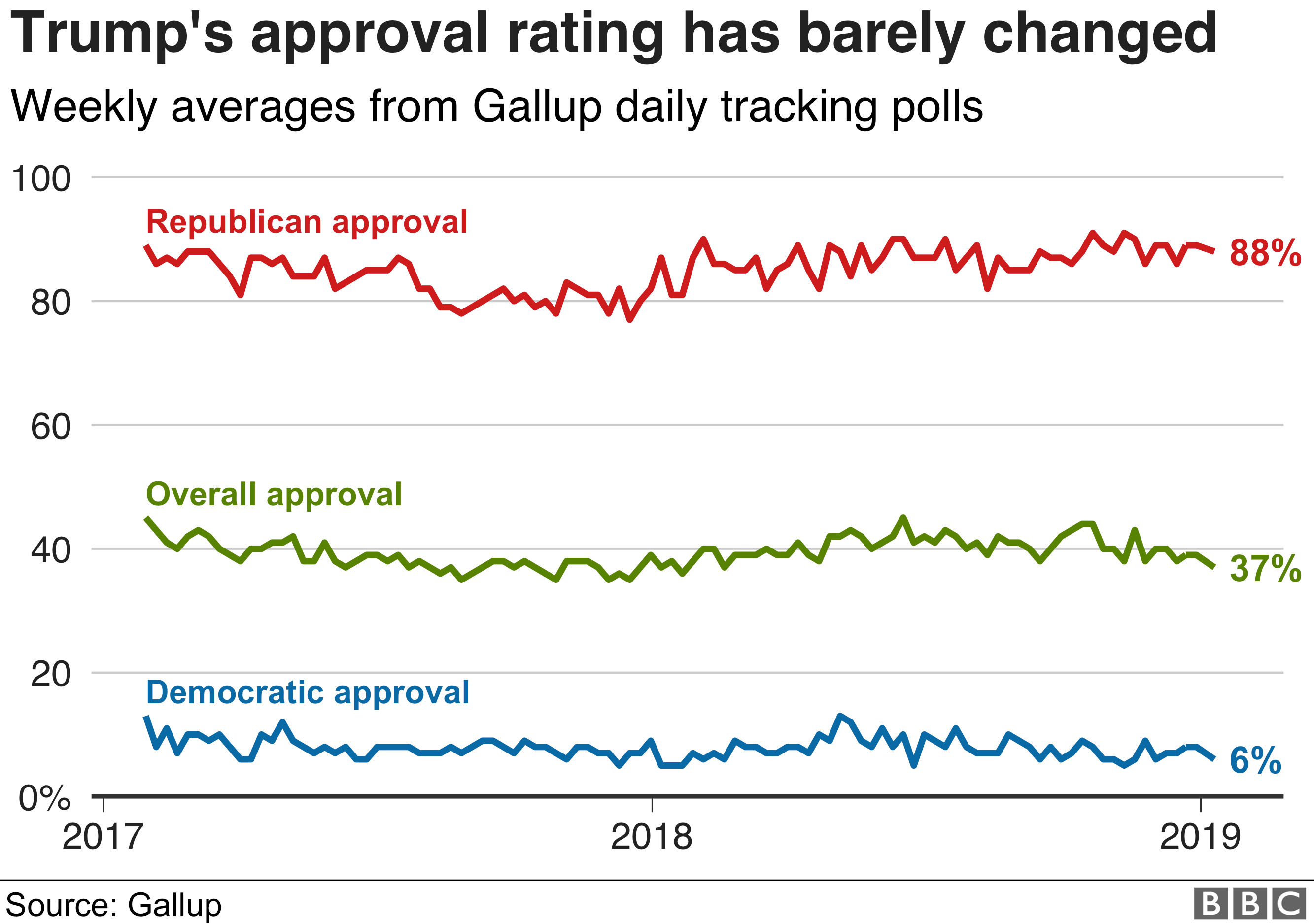
3. The “Crisis Boost” Pattern Presidential approval ratings often rise during national emergencies—a phenomenon known as the “rally ’round the flag” effect. Trump’s numbers did increase slightly post-incident, from 44% to 48% in one major poll. While such shifts are common, they become fodder for speculation when combined with a figure as polarizing as Trump.
Farrow’s argument hinges on this pattern: she implies the attack wasn’t just convenient—it was engineered to exploit it.
The Role of Celebrities in Shaping Political Narratives
Celebrities have always influenced public opinion. But in the digital age, their reach is exponential. A single tweet from someone like Mia Farrow can reach millions instantly, bypassing editorial oversight.
Case in Point: Other Celebrity Conspiracy Promotions - Roseanne Barr amplified Pizzagate before its debunking. - Kanye West endorsed political figures based on unverified claims. - Jim Carrey has repeatedly questioned vaccine science, affecting public perception.
These figures aren’t political analysts. But their platforms grant them outsized influence. When they endorse fringe ideas, even hypothetically, they legitimize them in the eyes of followers.
Farrow’s position is particularly sensitive due to her humanitarian work and decades-long advocacy. Supporters argue she “speaks truth to power.” Critics counter that she now spreads disinformation under the guise of dissent.
How Misinformation Spreads in Real Time
The lifecycle of Farrow’s claim followed a predictable misinformation arc:
- Initial Post: A provocative, vague suggestion (“convenient crisis”) avoids outright accusation but implies manipulation.
- Amplification: Sympathetic outlets reframe the claim as “Mia Farrow questions WHCD shooting authenticity.”
- Distortion: On forums like Reddit and Telegram, the claim evolves into “Hollywood star exposes Trump false flag.”
- Backlash: Mainstream media debunks it, but the correction rarely reaches the same audience.
A 2023 MIT study found that false claims spread 60% faster than factual corrections on social platforms. Visual content—like edited videos of the WHCD scene with ominous music—amplified Farrow’s implication, even if she never explicitly said the event was staged.
The Danger of “Just Asking Questions” Rhetoric
Farrow never outright claimed Trump orchestrated the shooting. Instead, she used what communication experts call “epistemic distancing”—phrasing that invites suspicion without making a direct assertion.
Phrases like: - “Why wasn’t security tighter?” - “How come the footage looks so cinematic?” - “Another attack, another poll bounce—just coincidence?”
This rhetorical strategy shields the speaker from accusations of spreading lies while still eroding trust. It’s a hallmark of modern disinformation campaigns, used by both political operatives and celebrities.
The danger lies in the outcome: public doubt. Once a narrative is seeded, it’s nearly impossible to fully erase—even when evidence contradicts it.
Comparing This to Past Political Conspiracy Theories
The claim that Trump staged a shooting to boost approval isn’t entirely new. Similar theories emerged after:
- The 2017 Las Vegas shooting, where conspiracy theorists falsely claimed crisis actors were used.
- The 2022 Trump rally incident in Butler, PA, where some alleged the bullet was staged.
- The 2016 DNC email leak, which some dismissed as a “false flag” operation.
What’s different now is the source. Previous theories were pushed by fringe figures or anonymous online users. Farrow is a mainstream, respected actress with decades of cultural capital. Her endorsement lends credibility to the idea—even when unintentional.
Moreover, the WHCD event was less deadly than other attacks, making it easier to frame as “suspicious.” Only two people were injured, both non-fatally. In an era of mass shootings, some interpret lower casualty counts as evidence of fabrication—a dangerous misreading of random violence.
The Impact on Public Discourse and Trust
Farrow’s comments may seem like one viral moment, but their consequences ripple outward.
1. Undermining Victim Narratives Survivors of the WHCD shooting reported emotional distress after seeing claims their trauma was faked. One journalist stated, “I bled on that carpet. To have someone like Farrow call it theater is dehumanizing.”
2. Erosion of Shared Reality When public figures dispute verifiable events, it fractures consensus. Without agreement on basic facts, democratic debate becomes impossible.
3. Normalization of Conspiracy Thinking Each time a celebrity promotes an unfounded theory without consequence, it signals that such behavior is acceptable. The threshold for what’s considered “debate” shifts further into speculation.

A CBS News poll conducted after Farrow’s posts found that 12% of Democrats believed the WHCD shooting was at least “partly staged”—up from 5% before her comments. While a minority, that shift reflects tangible influence.
Why Context Matters: Farrow’s History
with Trump
Farrow’s skepticism isn’t random. She has been a vocal critic of Trump since 2016, citing his treatment of women and immigration policies. She once referred to him as “a menace to democracy” during a speech at the United Nations.
This history matters. Her comments didn’t emerge from neutral ground. They came from a place of deep political opposition. While criticism is valid, conflating dissent with disinformation crosses a line.
Some defenders argue she has a right to question official stories. But rights come with responsibility. In an age of AI-generated videos and deepfake audio, public figures must weigh the impact of their words—especially when discussing violent events.
What This Means for Media Literacy Moving Forward
Farrow’s claim underscores a growing challenge: how do we engage with high-profile opinion without amplifying falsehoods?
Actionable Steps for Consumers: - Check primary sources before sharing claims. Was there police confirmation? Hospital reports? - Identify rhetorical tricks. Phrases like “I’m not saying it’s true, but…” often precede misinformation. - Follow corrections. When outlets like AP or Reuters issue retractions, update your understanding. - Diversify information sources. Relying solely on celebrity commentary skews perspective.
Media organizations also bear responsibility. Giving airtime to debunk Farrow’s claim risks spreading it further. The solution isn’t silence—it’s context. Reporting must include: - Who is making the claim? - What’s their history? - What evidence exists (or doesn’t)? - Who benefits from the narrative?
Only with this framework can audiences separate speculation from fact.
Closing: The Line Between Skepticism and Sabotage
Mia Farrow’s suggestion that Trump staged the WHCD shooting to boost approval ratings is unsupported by evidence and widely discredited. Yet, its spread reveals deeper vulnerabilities in our information ecosystem.
Skepticism is essential in a democracy. But when it detaches from evidence and elevates speculation over fact, it becomes sabotage. Celebrities, journalists, and citizens alike must navigate this line carefully.
The goal isn’t to silence dissent—it’s to demand discipline. Ask questions, but ground them in reality. Challenge power, but don’t weaponize tragedy. In an age where perception shapes policy, integrity must be non-negotiable.
Hold opinions, but hold evidence tighter.
FAQ
Did Mia Farrow explicitly say Trump staged the WHCD shooting? No. She used suggestive language like “convenient crisis” and questioned the timing, but stopped short of a direct accusation.
Is there any evidence the WHCD shooting was staged? No. Law enforcement confirmed the shooting, recovered a weapon, treated victims, and are investigating the suspect. No credible evidence supports a hoax theory.
Why did Farrow’s claim gain attention? Her status as a respected actress and longtime activist gave the comment visibility, even though it lacked evidence.
How did the public react to her statement? Reactions were polarized. Some praised her for “questioning the narrative,” while others condemned her for spreading dangerous speculation.
Can celebrity opinions influence public belief in conspiracies? Yes. Studies show that celebrity endorsements, even indirect ones, can significantly increase belief in unverified claims.
What is the “rally ’round the flag” effect? It’s a well-documented phenomenon where presidential approval ratings rise during national crises, regardless of the president’s policies.
Should public figures be held accountable for spreading misinformation? Many experts argue yes—especially when their statements endanger public trust or traumatize victims of real events.
FAQ
What should you look for in Mia Farrow Claims Trump Staged WHCD Shooting for Ratings? Focus on relevance, practical value, and how well the solution matches real user intent.
Is Mia Farrow Claims Trump Staged WHCD Shooting for Ratings suitable for beginners? That depends on the workflow, but a clear step-by-step approach usually makes it easier to start.
How do you compare options around Mia Farrow Claims Trump Staged WHCD Shooting for Ratings? Compare features, trust signals, limitations, pricing, and ease of implementation.
What mistakes should you avoid? Avoid generic choices, weak validation, and decisions based only on marketing claims.
What is the next best step? Shortlist the most relevant options, validate them quickly, and refine from real-world results.